

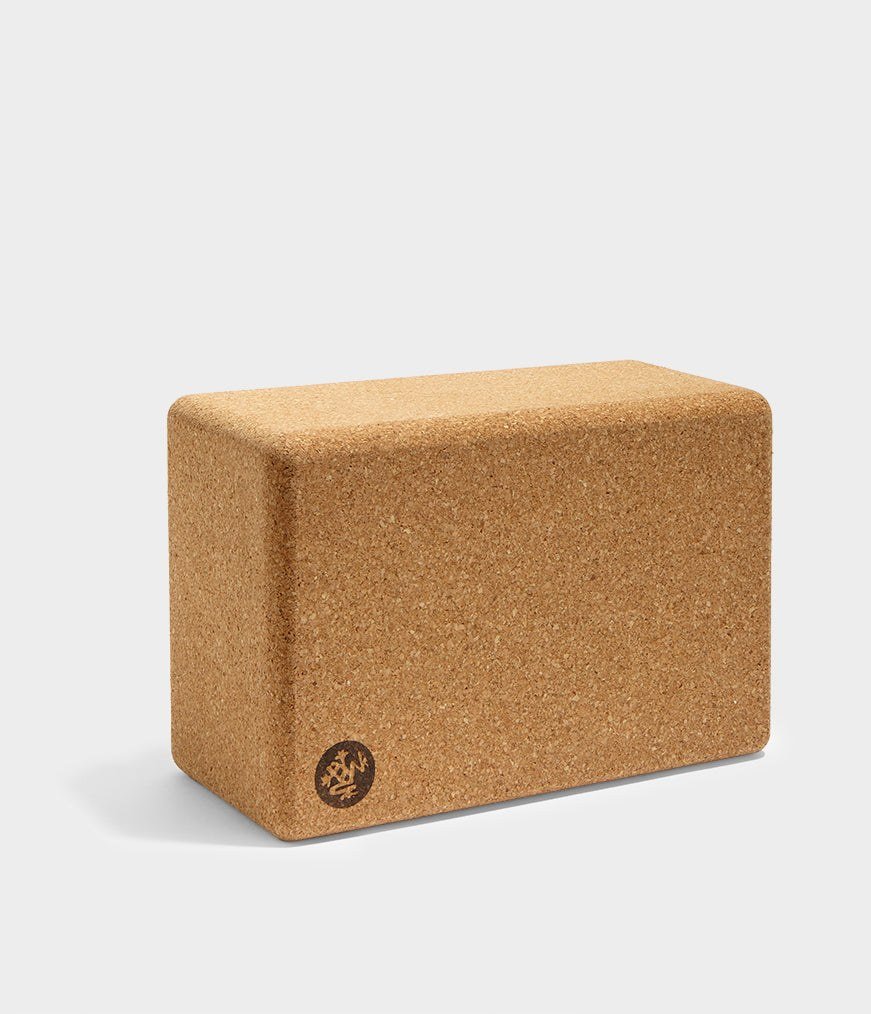
Blocks are the prop people buy last and use most. If your fingertips don’t reach the floor in a forward fold, a block does real work: it’s the difference between doing the shape and doing a worse shape badly.
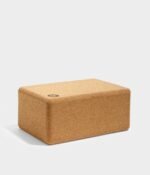
Cork is the version for people who put real weight through their hands. Foam compresses under load and wobbles a little as it does. Cork doesn’t move. In a half-moon, a side angle, or any pose where the block is holding part of your body weight, that stillness is the whole point.
What it is
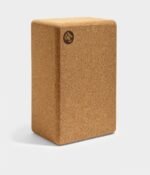
- Cork. Dense, firm, no compression under hand or hip weight.
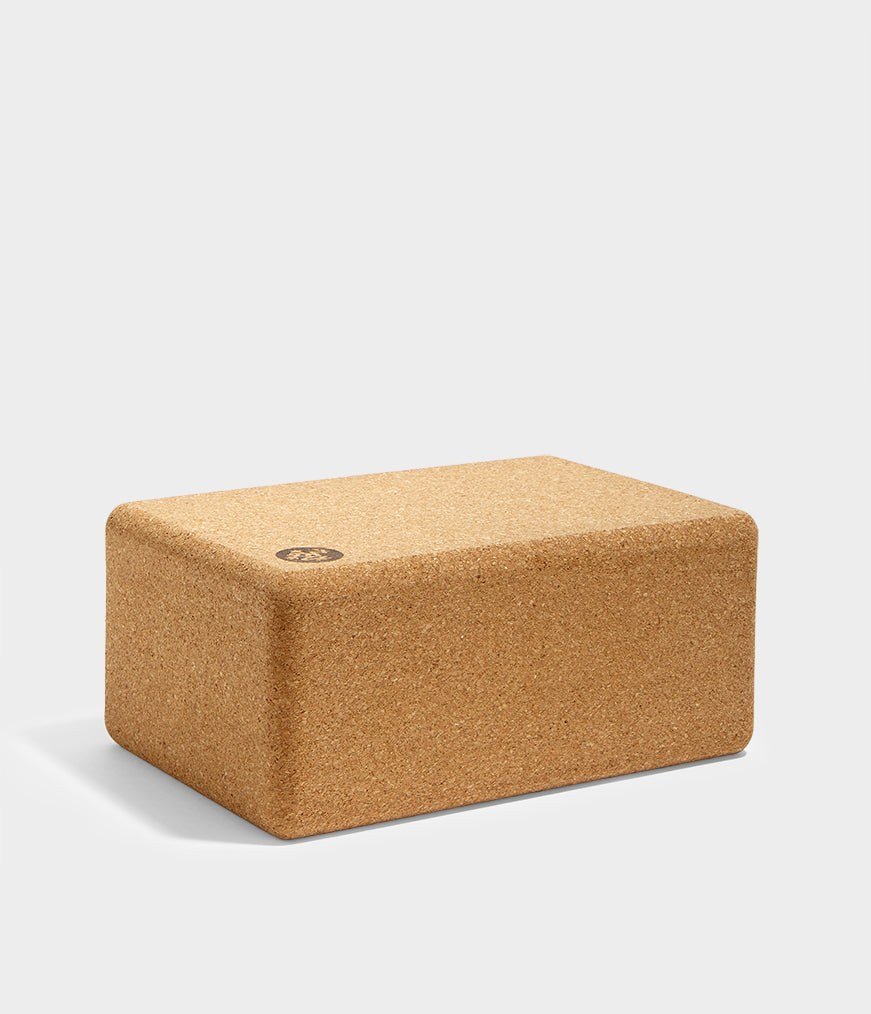
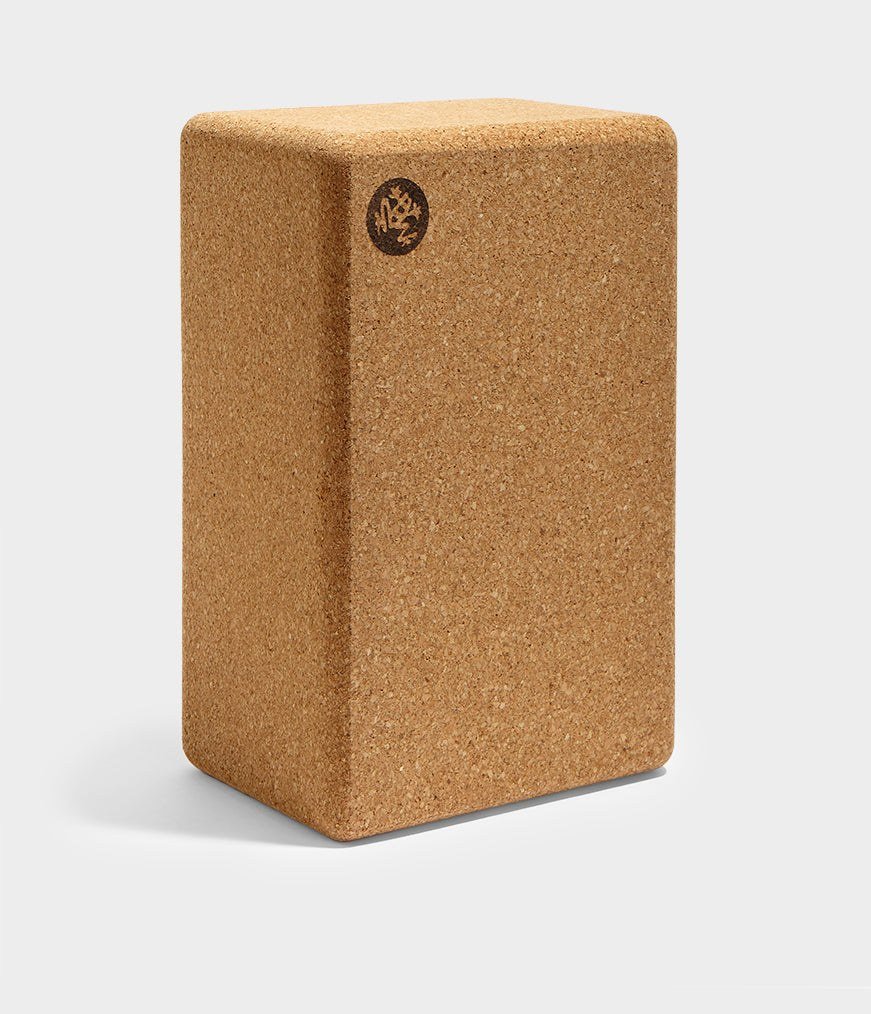
- Flat faces and squared edges, so it sits at three usable heights and stays where you put it.
- Grippy when your hands are damp, which is when foam starts sliding.
- Heavier than foam — that’s what makes it stable, and what makes it worse to carry.
When the cheap one is the better buy
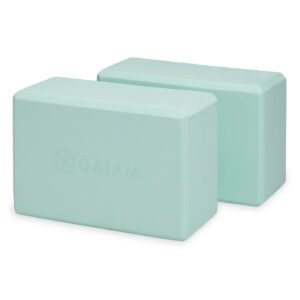
If you mainly use a block under your hips for seated work, or under your head lying down, you’re not loading it. Foam does that job fine and costs about a third as much, which is why we list the foam two-pack. Buy cork when you’re standing on one leg with a hand on it, or when you’ve already worn out a foam block.
Honest limits
- It’s hard. Under a bare spine or a bony hip, cork is unkind. Put a folded blanket over it.
- It’s heavy in a bag next to a rolled mat.
- Sold singly. Most people want two, so check what the listing includes before you order.
What Amazon shoppers report
On 20 September 2026 the Amazon listing showed 4.8 out of 5 from about 3,190 ratings at $26.00, with 700+ bought in the past month. Those are Amazon’s displayed figures for that date, not results from testing. Prices and counts move daily.


Reviews
There are no reviews yet.